雅思模拟阅读文章
The Essence of New Zealand: Beyond the Postcard Scenery**
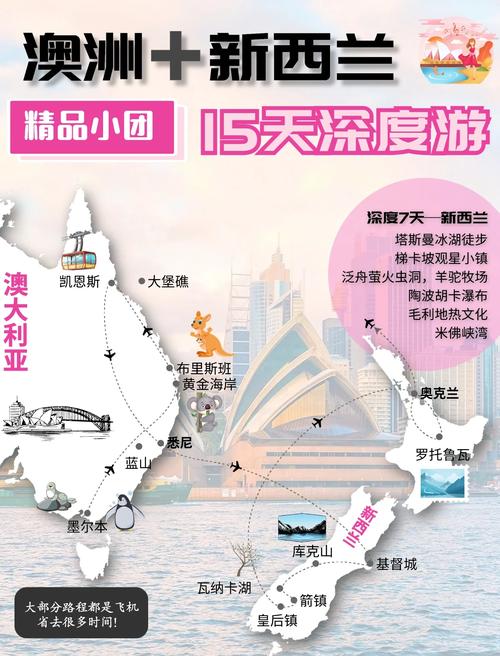
(新西兰之魂:超越明信片上的风景)
Passage 1
For many, New Zealand is the ultimate travel destination, a land of breathtaking landscapes that seem lifted straight from the pages of a fantasy novel. Its image is dominated by towering snow-capped peaks, pristine fjords, and rolling green hills dotted with sheep. While these iconic images are undeniably part of the Kiwi experience, they only scratch the surface of what this country truly offers. The real essence of New Zealand lies in its unique blend of indigenous Māori culture, a spirit of adventure, and a deep connection to nature that is woven into the fabric of daily life.
The Māori people, the indigenous Polynesian inhabitants, have shaped New Zealand's identity in profound ways. Their culture is not merely a tourist attraction but a living, breathing force. The Māori concept of kaitiakitanga, which translates to "guardianship of the environment," is central to the national ethos. This philosophy dictates that humans are part of, and not separate from, the natural world, and have a responsibility to protect it. Visitors to New Zealand are increasingly encouraged to engage with this principle, whether it's through participating in a traditional pōwhiri (welcome ceremony) or understanding the significance of a local marae (communal meeting ground). This cultural immersion provides a much richer understanding of the land than simply admiring its beauty from a distance.

Furthermore, New Zealand has earned its reputation as the "Adventure Capital of the World." From bungee jumping in Queenstown—the sport's birthplace—to hiking one of the world's Great Walks like the Routeburn Track, the country is a playground for thrill-seekers. However, adventure in New Zealand is not limited to adrenaline junkies. It also encompasses a slower, more mindful pace. This is evident in the rise of "ecotourism," where activities like whale watching in Kaikoura or exploring the geothermal wonders of Rotorua are designed to be sustainable and educational. This dual approach ensures that visitors can experience both the heart-pounding excitement and the serene, soul-restoring connection with nature.
Passage 2
While the natural allure is immense, New Zealand's appeal is also significantly enhanced by its vibrant and accessible cities. Auckland, known as the "City of Sails," is a sophisticated metropolis built around two stunning harbours. It offers a world-class culinary scene, bustling markets, and a rich arts culture, all within easy reach of beautiful beaches and hiking trails. This blend of urban sophistication and natural proximity is a defining feature of New Zealand's lifestyle.
Wellington, the capital, is often described as the country's cultural heartbeat. Nestled in a picturesque harbour and surrounded by green hills, it is compact, walkable, and brimming with creativity. The city is home to Te Papa Tongarewa, the national museum, which offers deep insights into New Zealand's natural history, art, and Māori heritage. The city's film industry, having brought The Lord of the Rings trilogy to life, has cemented its status as a hub of imagination and innovation.
Christchurch, the largest city in the South Island, presents a unique story of resilience. Rebuilding after the devastating 2011 earthquake, the city has embraced innovation and a "new start" philosophy. The Re:START mall, made from colourful shipping containers, and the Cardboard Cathedral are testaments to its creative spirit. Today, Christchurch is a forward-thinking city with beautiful new parks, a thriving arts scene, and a welcoming atmosphere, offering visitors a chance to witness a remarkable urban renewal.
Passage 3
The growing global emphasis on sustainable travel has positioned New Zealand as a leading example. The government and tourism industry have implemented strict regulations to protect the environment. The Department of Conservation (DOC) manages a vast network of national parks and reserves, ensuring that its natural treasures are preserved for future generations. This includes maintaining well-marked tracks, managing visitor numbers on sensitive trails, and promoting the "Leave No Trace" principle.
However, managing the impact of tourism is a delicate balancing act. The popularity of New Zealand as a filming location, thanks to its spectacular and untouched scenery, has led to an increase in visitor numbers. This puts pressure on infrastructure and fragile ecosystems. The challenge is to provide world-class experiences without compromising the very qualities that make the country so special. Initiatives like the Tiaki Promise—a commitment by visitors to care for New Zealand—are crucial in fostering a sense of shared responsibility. The Tiaki Promise encourages tourists to "treat New Zealand with care," respecting the culture and protecting the environment. It is a call for visitors to become temporary kaitiaki themselves, ensuring that their footprint is a light one.
Looking ahead, the future of New Zealand tourism lies in deeper, more meaningful engagement. It is moving away from the "checklist" style of visiting all the major sights to a more holistic approach. This means supporting local businesses, choosing Māori-owned tour operators, and taking the time to understand the stories behind the landscapes. By doing so, tourists can not only enjoy a spectacular holiday but also contribute positively to the communities and environment they visit, leaving a lasting legacy of respect and appreciation.
雅思阅读题目
Questions 1-7: Do the following statements agree with the information given in Passage 1? In boxes 1-7 on your answer sheet, write
- TRUE if the statement agrees with the information
- FALSE if the statement contradicts the information
- NOT GIVEN if there is no information on this
- The landscapes of New Zealand are often compared to those in fantasy literature.
- The Māori concept of kaitiakitanga is a key part of New Zealand's national identity.
- Tourists are forbidden from participating in pōwhiri ceremonies.
- All adventure activities in New Zealand are designed for adrenaline seekers.
- Ecotourism in New Zealand focuses on sustainable and educational experiences.
- The city of Queenstown is famous for being the birthplace of bungee jumping.
- The Māori word marae refers to a type of traditional Māori artwork.
Questions 8-13: Choose the correct letter, A, B, C or D.
-
What is the main idea of Passage 1? A. The most popular adventure activities in New Zealand. B. Why New Zealand's scenery is the best in the world. C. The different aspects that make up the true New Zealand experience. D. A history of the Māori people and their influence on tourism.
-
Auckland is described as a city that offers A. historical buildings and museums. B. a mix of city life and easy access to nature. C. the best shopping opportunities in the country. D. a quieter pace of life compared to other cities.
-
What is unique about Christchurch's recent development? A. It has become the cultural capital of New Zealand. B. It has rebuilt using innovative and creative methods after a disaster. C. It has focused solely on its film industry to attract tourists. D. It has the largest network of parks in the country.
-
According to Passage 3, what is a major challenge for New Zealand's tourism industry? A. A lack of funding from the government to protect the environment. B. The difficulty of balancing tourist numbers with environmental protection. C. The refusal of tourists to follow the "Leave No Trace" principle. D. The poor state of the country's infrastructure in national parks.
-
The Tiaki Promise is mentioned as an initiative that A. is legally binding for all international visitors. B. aims to increase the number of tourists visiting New Zealand. C. encourages tourists to take responsibility for their impact. D. is only promoted by the Department of Conservation (DOC).
-
What does the author suggest is the future direction for New Zealand tourism? A. To focus on promoting its film locations more heavily. B. To encourage tourists to visit fewer places but in greater depth. C. To limit the number of tourists to small, exclusive groups. D. To build more adventure sports facilities to cater to demand.
答案与解析
Questions 1-7:
-
TRUE - 定位句: "For many, New Zealand is the ultimate travel destination, a land of breathtaking landscapes that seem lifted straight from the pages of a fantasy novel." (第一段第一句)
- 解析: 文章明确指出新西兰的风景“似乎直接从奇幻小说的页面中提取出来”,这与题干“常与奇幻文学中的风景相比较”意思一致。
-
TRUE - 定位句: "The Māori concept of kaitiakitanga, which translates to 'guardianship of the environment,' is central to the national ethos." (第一段第二句)
- 解析: 题干中的“关键部分”对应原文中的“central to the national ethos”(国家精神的中心),意思相符。
-
FALSE - 定位句: "Visitors to New Zealand are increasingly encouraged to participate in a traditional pōwhiri (welcome ceremony)..." (第一段第三句)
- 解析: 原文说游客“被鼓励”参与,而题干说“被禁止”,两者直接矛盾。
-
FALSE - 定位句: "However, adventure in New Zealand is not limited to adrenaline junkies. It also encompasses a slower, more mindful pace." (第一段倒数第二句)
- 解析: 原文明确指出冒险活动“不仅限于寻求刺激的人”,还包括“更慢、更专注的节奏”,与题干“所有冒险活动都是为寻求刺激者设计的”相悖。
-
TRUE - 定位句: "...activities like whale watching in Kaikoura or exploring the geothermal wonders of Rotorua are designed to be sustainable and educational." (第一段最后一句)
- 解析: 题干中的“可持续和有教育意义”与原文中的“sustainable and educational”完全对应。
-
TRUE - 定位句: "From bungee jumping in Queenstown—the sport's birthplace..." (第一段倒数第三句)
- 解析: 原文明确指出皇后镇是“这项运动的发源地”,与题干信息一致。
-
FALSE - 定位句: "...or understanding the significance of a local marae (communal meeting ground)." (第一段第三句)
- 解析: 原文将 marae 解释为“社区聚会场所”,而题干将其解释为“传统毛利艺术品”,信息错误。
Questions 8-13:
-
C - 主旨题,第一段开头提出观点:新西兰的精髓在于其毛利文化、冒险精神和与自然的结合,后文分别展开论述这三点,C选项“构成真实新西兰体验的不同方面”是最佳概括,A、B、D都只涵盖了文章的部分内容。
-
B - 细节题,定位到Passage 2中关于奥克兰的描述:"Auckland, known as the 'City of Sails,' is a sophisticated metropolis built around two stunning harbours. It offers... all within easy reach of beautiful beaches and hiking trails." 这句话明确指出了奥克兰的城市生活与便捷的自然风光相结合的特点。
-
B - 细节题,定位到Passage 2中关于基督城的描述:"Rebuilding after the devastating 2011 earthquake, the city has embraced innovation and a 'new start' philosophy. The Re:START mall, made from colourful shipping containers, and the Cardboard Cathedral are testaments to its creative spirit." 这句话说明了基督城在灾难后用创新和富有创造力的方式重建,B选项准确概括了这一点。
-
B - 细节题,定位到Passage 3:"The challenge is to provide world-class experiences without compromising the very qualities that make the country so special." 这句话直接点明了挑战在于平衡旅游体验与保护国家特质(即环境),B选项是对此的准确转述。
-
C - 细节题,定位到Passage 3中关于 Tiaki Promise 的描述:"The Tiaki Promise encourages tourists to 'treat New Zealand with care,' respecting the culture and protecting the environment." 这说明它的目的是鼓励游客对自己的行为负责,C选项是正确的。
-
B - 推断/主旨题,定位到Passage 3的最后一段:"Looking ahead, the future of New Zealand tourism lies in deeper, more meaningful engagement. It is moving away from the 'checklist' style of visiting all the major sights to a more holistic approach." 这句话明确指出未来的方向是从“打卡式”旅游转向更深入、更整体的体验,即去的地方少但体验更深,B选项准确表达了这层意思。