Of course! Here is a comprehensive English introduction to Singaporean cuisine, structured for a presentation, a blog post, or a general overview. It's broken down into sections for easy understanding.

A Taste of Singapore: A Culinary Melting Pot
Welcome to Singapore, a country often called a "Food Paradise." More than just a city-state, Singapore is a living testament to the power of food to unite cultures. Singaporean cuisine is not a single entity but a vibrant and delicious tapestry, woven from the culinary traditions of its Chinese, Malay, and Indian communities, with significant influences from the Peranakans and other ethnic groups. This unique blend is what makes Singaporean food an unforgettable experience.
The Heart of Singaporean Cuisine: Hawker Centres
Before we dive into the dishes, you must understand where most Singaporeans eat: Hawker Centres. These are open-air complexes filled with dozens of stalls, each serving a different specialty. They are the great equalizers of Singaporean society, where a student, a CEO, and a tourist can all queue side-by-side for a plate of delicious and affordable food.
- What to expect: A bustling, lively atmosphere, the sizzle of woks, the aroma of spices, and the sound of happy chatter.
- How to order: Find a stall, queue up, place your order, pay, and take a seat. You'll be given a number to call when your food is ready.
- The unspoken rule: It's common practice to "chope" (reserve) a table by placing a packet of tissues on the chair. Don't move them!
The "Holy Trinity" of Singaporean Dishes
These three iconic dishes are the pillars of Singaporean cuisine and a must-try for any visitor.
a. Hainanese Chicken Rice (海南鸡饭)
Often cited as Singapore's national dish, this is a masterpiece of simplicity and flavour.
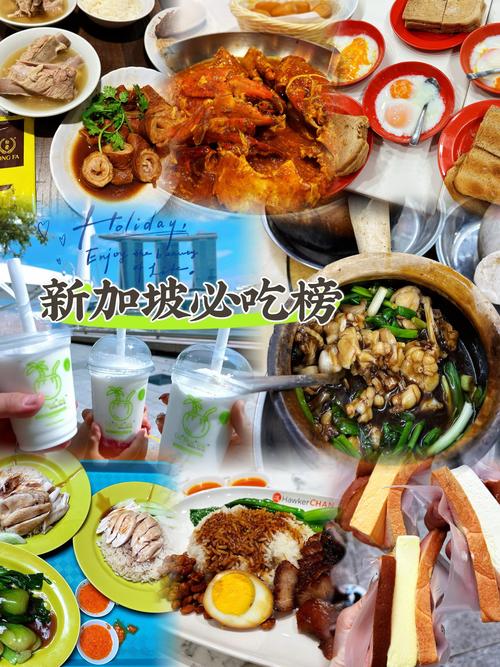
- The Dish: Tender poached chicken, fragrant rice cooked in chicken stock and rendered chicken fat, and a trio of dipping sauces: chilli sauce, dark soy sauce, and ginger paste.
- The Key: The perfection lies in the preparation. The chicken is boiled to retain its silky texture, and the rice is infused with an incredible aroma that is simply irresistible.
b. Chilli Crab (辣椒蟹)
This is the ultimate seafood indulgence and a true crowd-pleaser.
- The Dish: Large, mud crabs stir-fried in a rich, savoury, and slightly sweet tomato-based gravy.
- The Experience: The best part is the messy, hands-on experience of cracking the shells and dipping the crab meat into the spicy gravy. It's usually served with deep-fried mantou (buns) to soak up every last drop of the delicious sauce.
c. Laksa (叻沙)
Laksa is a spicy noodle soup that showcases the Peranakan (Straits-born Chinese) influence. It's a flavour explosion in a bowl.
- The Two Main Types:
- Curry Laksa (or Laksa Lemak): A rich, creamy, and coconut-based curry soup with a complex blend of spices. It's filled with ingredients like shrimp, fish cakes, tofu puffs, and cockles.
- Assam Laksa: A sour and spicy fish-based soup, tamarind being the key ingredient for its signature tangy flavour. It's usually served with thin rice noodles and topped with mint, pineapple, and onion.
A Deeper Dive into the Flavours
Beyond the "Holy Trinity," Singapore offers a world of culinary delights.
Chinese Influences
- Char Kway Teow (炒粿条): Stir-fried flat rice noodles with prawns, Chinese sausage, bean sprouts, and chives, all cooked over a very high flame in a wok ("wok hei" or breath of the wok is essential!).
- Bak Kut Teh (肉骨茶): A peppery pork rib soup, literally "meat bone tea." It's believed to have health-restoring properties and is perfect for a rainy day.
- Roti Prata (or Canai): A fluffy, flaky Indian-style pancake, often eaten for breakfast or as a late-night snack. It can be plain or served with a generous amount of curry for dipping.
Malay Influences
- Satay (沙爹): Skewered and grilled meat (chicken, beef, or mutton) served with a rich, peanut sauce, cucumber, and rice cakes (ketupat). It’s a quintessential Singaporean street food.
- Murtabak (摩多拜): A stuffed pancake, usually filled with minced meat, egg, and onions. It’s pan-fried until crispy and often served with a side of curry dipping sauce.
- Nasi Lemak (椰浆饭): Fragrant coconut rice served with a sambal (spicy chilli paste), fried egg, cucumber, fried anchovies, and a piece of fried chicken or fish. It's a hearty and complete meal.
Indian Influences
- Fish Head Curry (鱼头咖喱): A fiery and flavourful curry with a whole fish head (usually snapper) swimming in a rich gravy of coconut milk and spices. It’s meant to be shared with rice or bread.
- Rojak (罗惹): A unique fruit and salad salad consisting of pineapple, cucumber, turnip, and fried dough fritters, all tossed in a thick, sweet, and spicy prawn paste sauce.
The Perfect Endings: Kueh and Desserts
No meal is complete without something sweet.
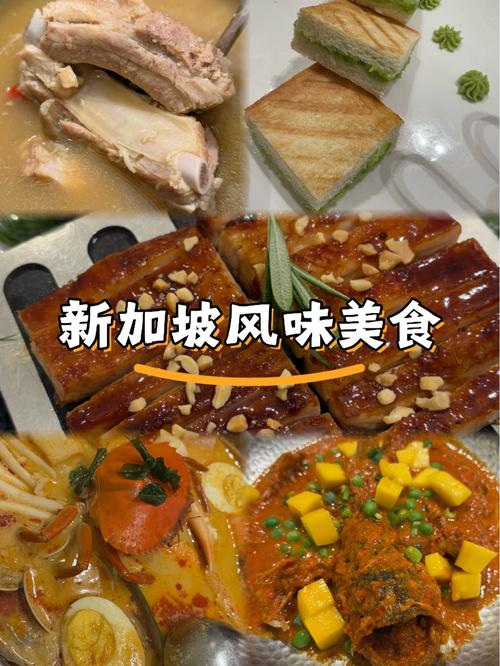
- Kueh (粿): A wide variety of steamed cakes and puddings made from rice or tapioca flour. They come in an array of vibrant colours and flavours, from sweet to savoury. Look for Kueh Lapis (layered cake) and Ondeh Ondeh (glutinous rice balls filled with palm sugar and rolled in coconut).
- Ice Kachang (冰): Literally "shaved ice," this is a popular dessert made from finely shaved ice, topped with colourful sweet syrups, red beans, grass jelly, and condensed milk.
Conclusion: More Than Just Food
In Singapore, food is a way of life. It's a topic of daily conversation, a source of national pride, and a bridge that connects different communities. To eat in Singapore is to taste its history, its diversity, and its vibrant spirit. So come with an empty stomach and an open mind—your culinary adventure awaits!